Opening a restaurant or shop in Dubai starts with a seemingly simple trade-off: mall or street. The mall promises captive footfall of tens of thousands of visitors a day. The street promises identity, a terrace and a negotiable lease. Both can succeed, and both bury concepts every year.
This guide compares the two formats point by point: real rent, turnover rent, operating constraints, seasonality and exit terms, with the figures we use in our location studies.
The mall: you are buying footfall
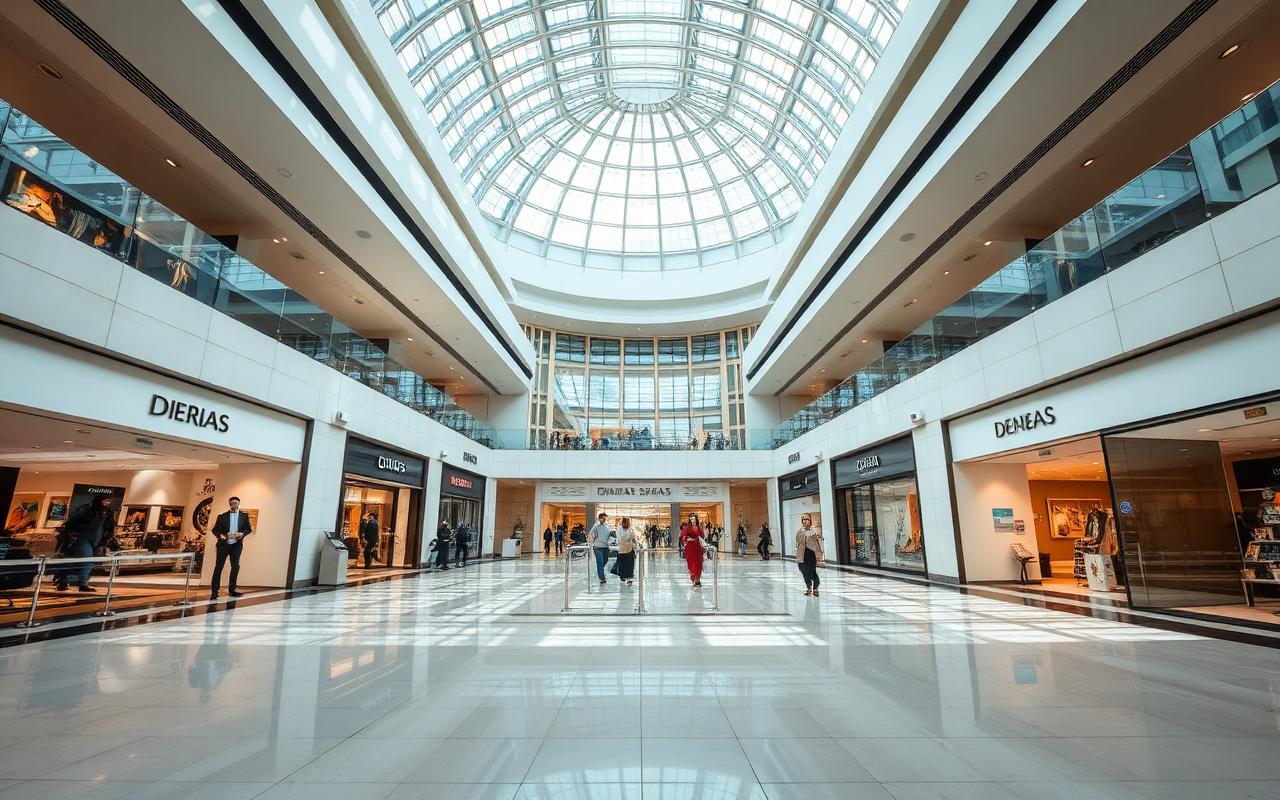
A mall unit is a traffic purchase. The shopping centre guarantees footfall, air conditioning, parking and security, and charges for it: high base rent, turnover rent on revenue, a contribution to mall marketing, service charges, fit-out guidelines and imposed opening hours.
In return, the ramp-up is fast: a good unit in a good mall reaches cruising speed within weeks, where a street takes months. It is the natural format for established brands and franchises replicating a proven model.
| Item | Typical mall figure | Note |
|---|---|---|
| Base rent | 250 to 2,500 AED per sqft per year | Depending on mall standing |
| Turnover rent | 8 to 12% of revenue | Whichever is higher applies |
| Marketing and service charges | 10 to 20% of face rent | Rarely negotiable |
| Security deposit | 3 to 6 months of rent | Returned at lease end |
| Mandated fit-out | 2,000 to 6,000 AED per sqft | Mall fit-out guidelines |
The street: you are building a destination
On City Walk, Jumeirah Beach Road, the Marina or Downtown, the landlord rents walls, not footfall. Face rent is lower and more negotiable, the fit-out rent-free period is almost automatic, and terrace and signage are freely discussed. In exchange, your concept, image and community create the traffic.
This format rewards strong concepts and punishes average ones: a café without personality does not survive on a street, though it might live off a mall's captive footfall. On the other hand, a street address that works builds a brand, and a brand can then replicate into malls on better terms.
- Budget 6 to 12 months of ramp-up in the cash-flow plan.
- Measure real pedestrian footfall at several times of day before signing.
- Check terrace rights and visibility from the road.
The season factor: summer changes everything
From June to September, outdoor life in Dubai shrinks and footfall shifts to air-conditioned malls. A street terrace can lose 40 to 60% of its traffic over the period, while a well-run mall gains visitors. A street model must therefore be profitable across the year with an assumed summer dip, or plan a summer offer: delivery, private events, indoor programming.
The negotiation points that are worth money
In mall or street alike, three clauses weigh more on final profitability than the face rent. The fit-out rent-free period: one to three months without rent during works, almost systematic when asked for. The turnover rent cap: in malls, negotiate a cap or a trigger threshold for the percentage. The exit clause: a break option at twelve or twenty-four months limits the damage if the location underperforms.
- Fit-out rent-free period: one to three months, requested in writing.
- Turnover rent: rate, trigger threshold and annual cap.
- Early exit clause with reasonable notice.
- Sector exclusivity within the mall or strip to avoid a direct competitor next door.
- Lease duration and renewal terms, including a cap on rent escalation.
What we check before approving a location
Our grid is the same as for a property asset: entry price, measured footfall, immediate competition and exit terms. We reject a location when the rent-to-revenue ratio exceeds the model's ceiling, however attractive the address. In Dubai, more restaurants close because of a bad rent than because of bad food.
Sources
The figures in this guide are cross checked against the publications below. Check for updates before any decision.
- Mall and tourism footfall figures · Dubai Department of Economy and Tourism · accessed 15 September 2026
- Commercial lease registration, Ejari · Dubai Land Department · accessed 15 September 2026
Frequently asked questions
How much does it cost to open a restaurant in Dubai?
Excluding rent, restaurant fit-out costs 2,000 to 6,000 AED per square metre depending on standing, plus licences (trade, food safety, possibly alcohol), the security deposit and three to six months of working capital. An 80-square-metre café format starts around 600,000 AED all-in; a full-kitchen restaurant frequently exceeds 1.5 million AED.
What rent should I expect for a mall restaurant in Dubai?
In a neighbourhood mall, expect 250 to 600 AED per square foot per year, plus turnover rent of 8 to 12% of revenue and marketing and service charges of 10 to 20% of face rent. In premium malls like Dubai Mall, the base rises to 700 to 2,500 AED per square foot. The total rent-to-revenue ratio should stay below 20 to 25% of target revenue.
Is it better to open in a mall or on a street in Dubai?
Malls suit established brands and franchises replicating a proven model: footfall is immediate but occupancy cost is at its maximum. Streets suit strong concepts building a brand: lower rent, negotiable lease, but 6 to 12 months of ramp-up and a summer dip to absorb. The choice depends on your business model, not on image preference.
Can you negotiate a commercial lease in Dubai?
Yes. A fit-out rent-free period of one to three months is almost always granted, turnover rent can be capped in malls, and high-supply districts like Business Bay even see face rent negotiated. Put the exit clause, sector exclusivity and the renewal escalation cap in writing.
How does summer affect a retail business in Dubai?
From June to September, outdoor pedestrian traffic drops sharply and concentrates in air-conditioned malls. A street terrace can lose 40 to 60% of traffic over the period. Street businesses that work in Dubai are those whose model absorbs the dip: delivery, an attractive air-conditioned interior, or summer programming.
What licences does a restaurant need in Dubai?
A mainland trade licence from the Department of Economy and Tourism, food safety approvals from Dubai Municipality, and a separate alcohol licence if you serve it, tied to the premises. The unit must be registered under Ejari before the licence is issued. Allow four to eight weeks for all approvals on a clean file.
Got a specific project in mind?
Guides set the framework. What follows depends on your objective, your horizon and the right asset at the right price.
See the opportunities